The Importance Of Dementia-Friendly Activities
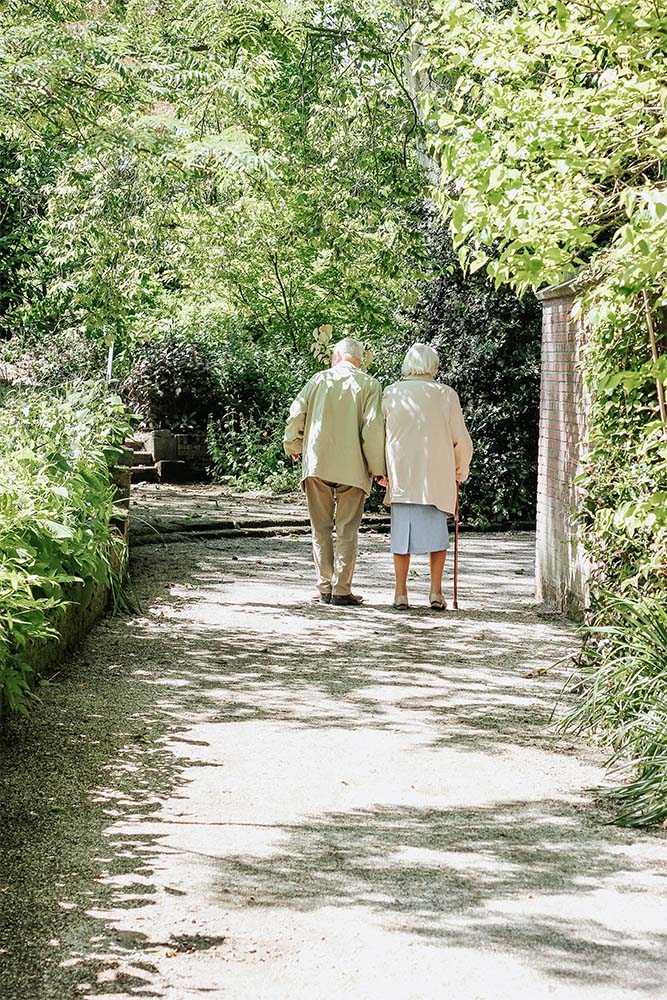
Living with dementia presents a unique set of challenges not only for the person with dementia but also for their loved ones and carers. As dementia progresses, it can significantly affect memory, mood, communication, and the ability to carry out everyday tasks. However, engaging in dementia-friendly activities offers a powerful way to support both the mental health and physical wellbeing of people living with dementia.
At Kingfisher House Care Home, we understand the importance of dementia-friendly activities in enhancing quality of life. These meaningful, person-centred engagements are about more than just passing the time, they’re about fostering self-esteem, creating moments of joy, supporting cognitive function and maintaining connections with life experiences.
Why Dementia-Friendly Activities Matter
Dementia-friendly activities are specially tailored to support the needs, preferences, and abilities of people living with dementia. These activities provide cognitive stimulation, physical exercise and emotional support, helping individuals retain a sense of identity and independence.
Engaging in appropriate activities can help maintain cognitive function, reduce anxiety and improve mood. Research shows that such activities also offer physical health benefits, including reduced high blood pressure and better mobility, especially when they involve structured exercise or gentle stretching.
Most importantly, dementia-friendly activities allow both the person with dementia and those around them to share positive feelings and moments that matter, helping everyone involved feel valued and connected.
The Mental Health Benefits Of Meaningful Activities
Mental wellbeing is crucial for people living with dementia, as memory and communication decline, a person’s self-confidence can also suffer. Participating in meaningful activities can restore a sense of purpose and achievement, boosting self-esteem and reducing feelings of social isolation.
Activities that are tailored to an individual’s abilities and interests can evoke memories, stimulate thinking, and help maintain long-term connections with the world around them. For example, reminiscence therapy, which may involve looking through memory boxes, picture books, or listening to favourite songs, can trigger positive memories and help a person feel more in touch with their identity.
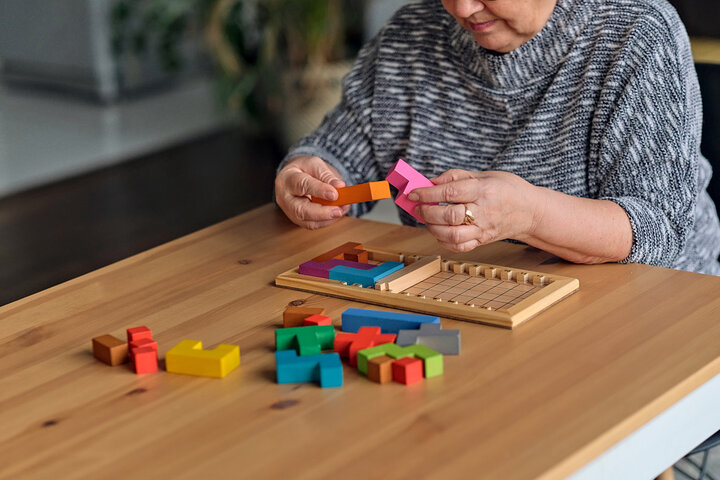
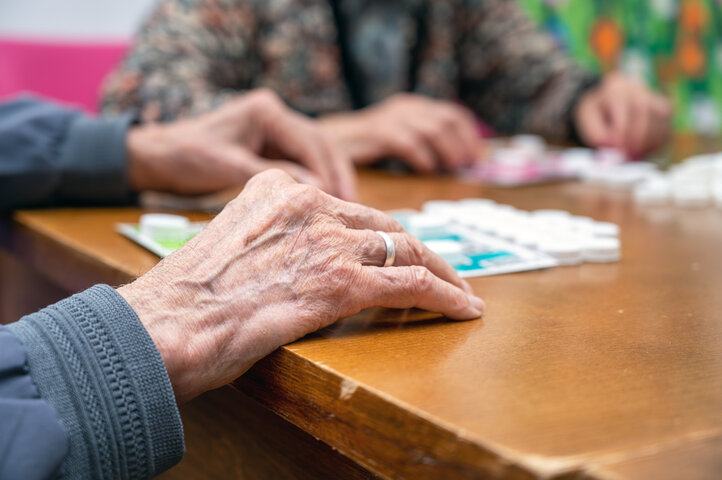
Even simple activities like folding laundry, sorting buttons, or spending time with pets can bring great pleasure and reduce the restless urge some people with dementia feel. These everyday tasks often have the power to create calm, familiar moments that are deeply comforting.
Physical Activity & Motor Skills
Incorporating physical activity into daily life has many benefits. Whether it’s a walking group, gentle stretching, or even dancing to music, these activities support motor skills, hand-eye coordination, and overall physical health. They can also reduce stress and promote better sleep patterns.


Structured exercise, adapted to the person’s ability, is particularly valuable. It not only strengthens muscles and joints but can also help reduce the risk of falls. Activities like ball games or seated exercises can be adapted for those in the later stages of dementia, ensuring everyone can participate.
Creative activities such as painting, drawing, or crafting offer an outlet for self-expression and can be particularly powerful for people with limited verbal communication. These exercises support both fine motor skills and mental health, encouraging focus and helping to stimulate thinking.
Sensory Stimulation & Positive Experiences
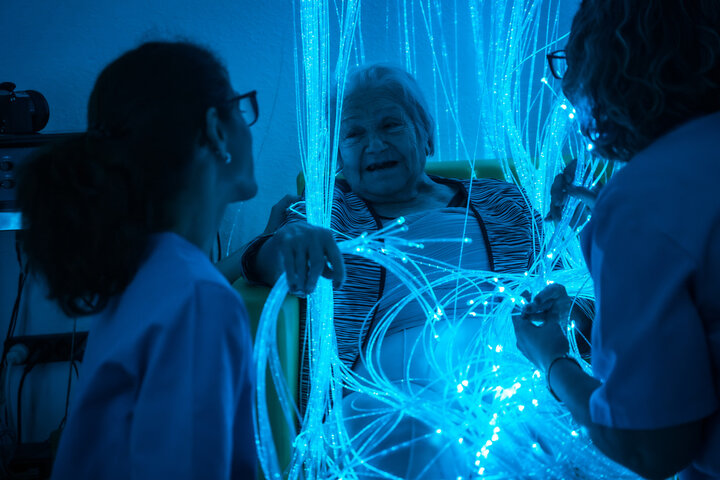
Sensory activities play a vital role in dementia care, as verbal communication becomes more difficult, the senses can provide alternative ways to engage with the world. Sensory stimulation might include foot massage, hand therapy, aromatherapy, or tactile games involving various textures.
These experiences offer more than just enjoyment, they can calm agitation, reduce anxiety, and help individuals remain engaged in daily life. They also help a person living with dementia feel connected to their environment, particularly if they have lost other means of interaction.
Using sensory experiences to revisit significant life events, such as a wedding, holiday, or a former job, can also have a profound impact. For example, the scent of lavender may evoke memories of a garden from childhood, while a piece of music may take someone back to a first dance.
Activities That Celebrate A Person’s Life
One of the most important aspects of planning activities for people with dementia is ensuring that they reflect the person’s life story. This means understanding and celebrating significant life events, hobbies, and past routines.
Memory boxes are a popular tool for this, these often include photos, keepsakes, or personal items that reflect a person’s life and allow them to reminisce. Reconnecting with long-term memories gives people a sense of continuity and belonging, reminding them and those around them of who they are beyond their dementia.
Activities can also incorporate past skills or jobs. For example, a former gardener may enjoy helping with indoor plants, while someone who loved baking might enjoy stirring ingredients or decorating biscuits. These suitable activities can foster pride, joy, and a renewed sense of self.
Social Interaction & Reducing Isolation
Another key benefit of dementia-friendly activities is the opportunity for social interaction. Whether through group games, singing sessions, or shared storytelling, connecting with others can significantly reduce feelings of loneliness.
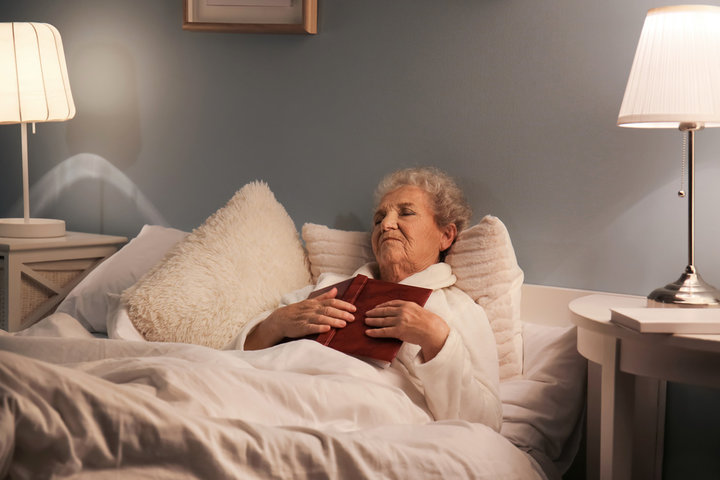

Even people in the later stages of dementia, who may no longer initiate conversations, often respond positively to the presence of others, especially when they feel included in a group.
Word games, storytelling, or simple discussions using visual aids can also help maintain verbal communication and encourage interaction. Many communities and care settings now run intergenerational sessions, where schoolchildren visit care homes to engage in shared activities. These encounters are filled with energy and warmth, and they offer many benefits to all participants.
Choosing The Right Activities
When choosing or planning activities, it’s important to consider both the person and their current needs. This includes understanding their likes and dislikes, cultural background, and the person’s dementia stage.
A person-centred approach is essential, as what works well for one individual might be distressing for another, especially if it’s too complex or overstimulating. The key is to find appropriate activities that support dignity, encourage participation, and make the person feel valued.
The Alzheimer’s Society recommends activities that are familiar, flexible, and tailored to a person’s changing abilities. This might include simple puzzles, matching games, music therapy, or gardening in raised beds.
Helping Families & Loved Ones Get Involved
At Kingfisher House Care Home, we also encourage families to take an active role in activity planning. Spending time together during a craft session, memory activity, or shared walk can strengthen bonds and bring comfort to everyone involved.
It also offers families an opportunity to learn more about dementia-friendly engagement and to discover new ways to connect with their loved one, even as the illness progresses.
Sharing in creative activities, listening to music together, or exploring memory boxes as a family can be uplifting experiences. These shared moments matter as they’re an opportunity to create moments of connection and positive memories.
A Key Part Of Quality Dementia Care
Incorporating dementia-friendly activities into daily routines isn’t just a nice addition, it’s a core part of compassionate and effective dementia care. This kind of person centred care supports the person’s ability to remain engaged in daily life, strengthens emotional wellbeing and reduces challenging behaviours that may arise from boredom or frustration.
The health benefits both physical and psychological are significant, and the impact on a person’s sense of identity, dignity and joy is immeasurable.
At Kingfisher House Care Home, we believe every person living with dementia deserves to lead a fulfilling life, no matter their stage of diagnosis. By prioritising meaningful, tailored, and inclusive activities, we help residents live with greater purpose, connectio and comfort.
Getting the Right Support
Supporting someone living with dementia is about more than managing symptoms, it’s about enriching their day, valuing their identity, and honouring their past. Dementia-friendly activities offer a way to do all of this, by focusing on the whole person not just the condition.
From reminiscence activities and creative pursuits, to structured exercise and sensory stimulation, there are countless ways to help individuals engage with life, express themselves, and feel joy. Each moment of connection, each smile, and each shared memory helps to make a difference.
Whether you’re a carer, a family member, or part of a support team, remembering the importance of dementia-friendly activities can transform how we care for and with those who need it most.